
Addiction https://linedrivesupply.com/2022/08/alcohol-abuse-and-alcoholism-signs-symptoms-and-2/ is a complex chronic disease, and there is currently no cure. NIDA also states that aging addicts may have been self-medicating for much longer and may have other co-occurring disorders or health conditions that worsen the effects of their substance abuse. However, some substance abuse issues hit particular demographics harder than others due to socioeconomic problems, access to healthcare, and cultural norms.
There is Hope (Backed by Data)
- However, there are overnight programs that allow for attendance at school or work during the day.
- The good news is that effective treatment doesn’t always have to break the bank.
- More than anything, finding the best drug and alcohol rehab for you will come down to your own willingness to ask questions.
- Under the umbrella term of outpatient rehab, you’ll find Intensive Outpatient Programs (IOP) and Partial Hospitalization Programs (PHP).
Additionally, outpatient treatment has a 35% completion rate, while inpatient treatment completion rates were up to 65%. The length of treatment often plays a key role in general.For example, people who receive medication-assisted treatment (MAT) for fewer than 90 days do not show improved outcomes. Those who receive MAT for three years or longer also have lower relapse rates than those on MAT for under three years. Relapse is an incredibly common part of recovery, and it’s important to understand that returning to substance use does not mean treatment or recovery has failed. Recovery is a journey of reaching new goals, maintaining long-term sobriety and approaching life with new, healthier strategies.
Substance abuse
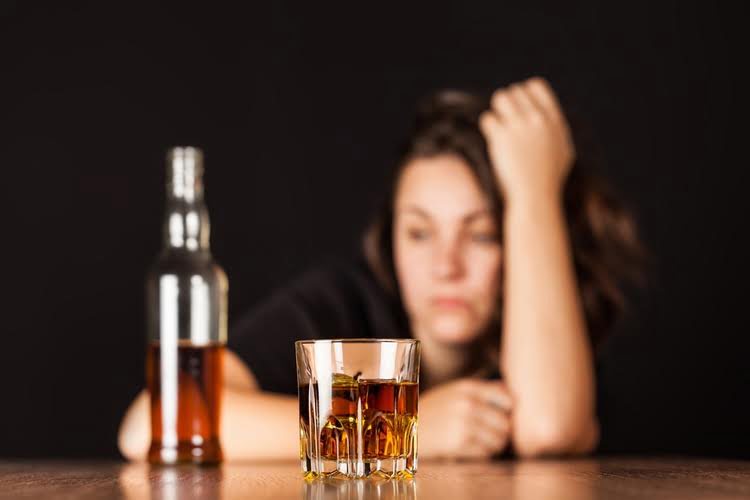
Studies show what is alcoholism relapse rates for substance use can range between 40–60%, similar to other chronic conditions like diabetes or asthma. When evaluating drug rehab success rates and statistics, there are inherent challenges that make it difficult to measure the effectiveness of treatment programs. Two key aspects that contribute to these challenges are the limitations of reported data and the need for future directions in measuring success. Understanding these factors and their impact on drug rehab success rates is vital for both individuals seeking treatment and healthcare providers working in the addiction treatment field. By acknowledging the multidimensional nature of success in drug rehabilitation and addressing the various influencing factors, the chances of achieving positive and long-lasting outcomes can be significantly enhanced. The sobering reality that 80% of individuals with substance use disorder also struggle with mental health issues underscores the necessity for integrated treatment approaches to truly improve rehab success rates.
Employment Outcomes After Rehab

The success rates of rehab are difficult to measure as definitions and outcome criteria aren’t standardised. However, research suggests longer-term treatment for addiction, such as 90 days, have higher success rates and greater impact on mental health than those who only receive short-term treatment. Someone who relapses but gets back into treatment and keeps working toward their goals can still be seen as successful.
Abstinence Rates
Locating detailed information on drug and alcohol rehab success rates can prove difficult. According to the National Institute on Drug Abuse, anywhere from 40% to 60% of recovering substance abusers will avoid relapse. Outside of these numbers, which present a fairly wide margin of error, few facts and figures exist.
- While statistics may show that about half of individuals with serious addiction engage in some recovery process, it’s important to note that recovery is a process involving change, adaptation and growth.
- Therapies included in an outpatient drug rehab program are the same as those included in residential programs, but are often far less intensive.
- Success is not just about avoiding re-arrest but also about living productively and restoring family and community ties.
- The use of MATs can assist the detox process as well as after treatment to help prevent relapse and overdose deaths.
- According to the National Institute on Drug Abuse (NIDA), around 40% to 60% of individuals in treatment for substance use disorders will relapse.
For some, success how long is drug rehab means complete sobriety, while for others, it involves reducing substance use or restoring stability in life. Appreciating these differences is key to understanding how drug rehab can help rebuild lives, step by step. Medication-assisted treatment (MAT) is an evidence-based approach that combines medications with counseling and behavioral therapies. It is considered the gold standard for opioid use disorder and is also highly effective for alcohol use disorder.